How to Find Your Next Favorite Show
TL;DR — Most people looking for their next favorite show default to either scrolling a platform's homepage or asking friends what they're currently watching, and both methods genuinely underperform compared to a more deliberate approach based on actually understanding what you loved about your previous favorites. This guide walks through a real methodology for discovery, identifying your actual taste patterns, evaluating recommendation sources critically, and using tools genuinely designed for taste-matching.
Get series picks based on this article
Want a real methodology instead of scrolling the homepage again? Skip the guide and jump straight to picks built for that.
Get series picksTell us your mood. We'll do the picking.
8 quick questions. Real series picks from real catalogs — not ads. Free, no sign-up.
Take the quizWhy do algorithmic homepage recommendations so often miss the mark?
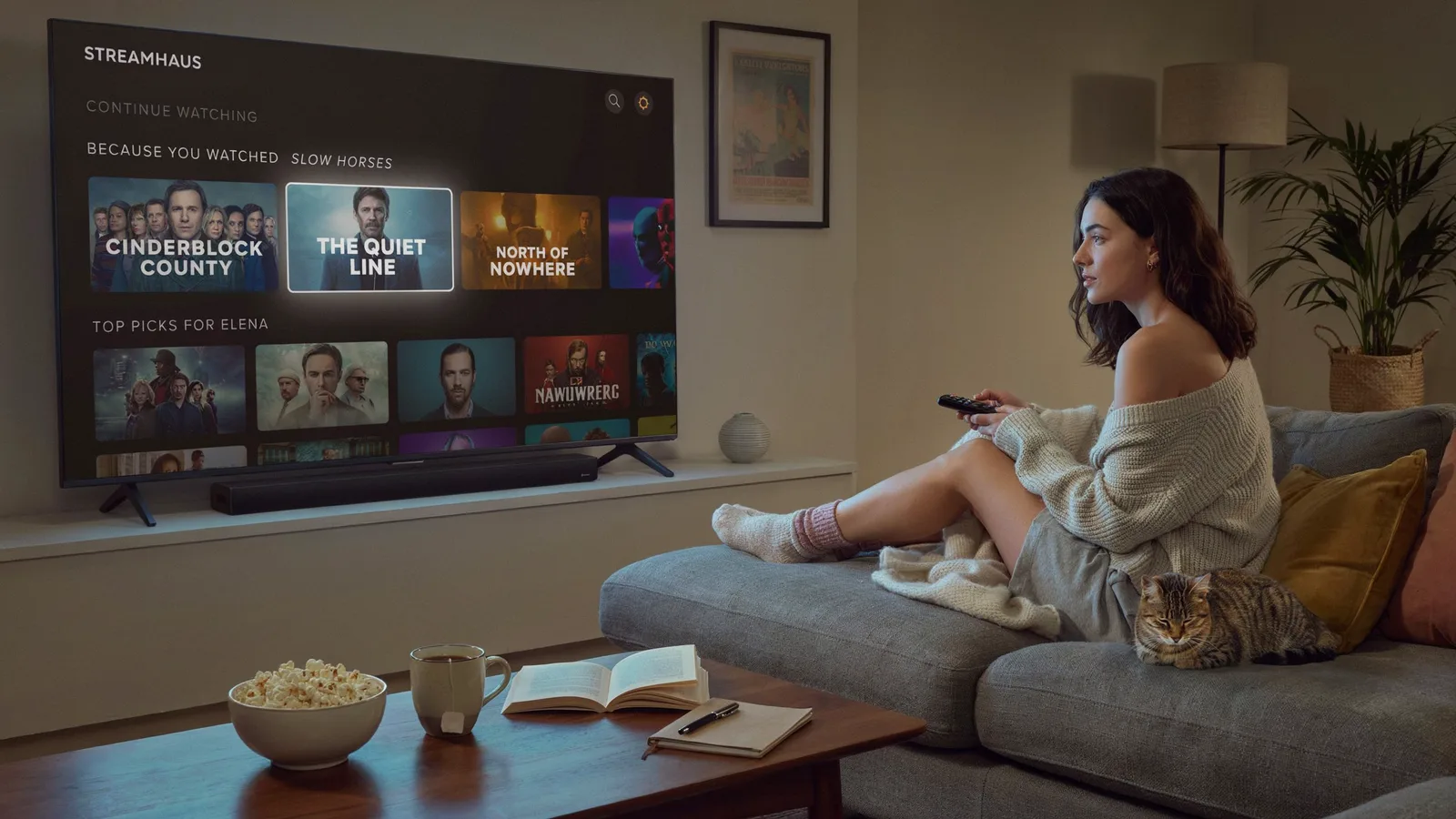
Because streaming platform homepages are genuinely optimized to promote content the platform wants you to watch, new releases, exclusive content, shows the platform has a financial stake in you engaging with, rather than content specifically matched to your demonstrated taste. Even the "recommended for you" rows, which do incorporate your viewing history, are still constrained by what the platform is currently promoting and licensing, meaning genuinely great matches for your taste that happen to be less prominently featured that month can get buried regardless of fit.
What's actually the first step in finding your next favorite show?
Genuinely, identify what you loved about your last few actual favorites, not just the genre label, but the specific qualities. Was it the writing, sharp, quotable dialogue specifically? Was it the characters, morally complex figures you couldn't fully root for or against? Was it the pacing, slow-burn tension building over an entire season, or quick, propulsive plotting? Was it the tone, genuinely funny, or genuinely devastating, or something balancing both? This specific breakdown matters enormously more than genre alone, since two shows in the same genre, both crime dramas, for instance, can differ wildly in exactly these qualities.
Should I ask friends, read critic reviews, or use a recommendation tool?
Genuinely, each source has real strengths and real blind spots worth understanding. Friends know your taste in a genuinely personal way that no algorithm can fully replicate, but their own recent viewing is inherently limited to what they've personally encountered, meaning you're bound by their specific exposure rather than the full universe of options. Critics offer genuinely informed, well-contextualized opinions, but critical acclaim and personal enjoyment are related but distinct things, plenty of critically adored shows leave specific viewers cold for reasons that have nothing to do with objective quality. Dedicated recommendation tools, when built well, can synthesize patterns across a much larger dataset than any single friend or critic has access to, though they're only as good as the actual matching criteria behind them, a tool that just tracks broad popularity isn't meaningfully different from a platform's homepage.
How do I evaluate whether a recommendation source is actually good, rather than just popular?
Genuinely, track your own hit rate over time. If a specific friend, critic, or tool has recommended several things you've genuinely loved, that's real, earned trust worth continuing to rely on. If recommendations from a given source consistently miss, even if they're objectively well-reviewed or popular elsewhere, that source simply isn't well-calibrated to your specific taste, and it's worth deprioritizing regardless of how authoritative it seems.
What if I like several genuinely different genres and can't identify one clear taste pattern?
This is genuinely common and doesn't mean you lack identifiable taste, it usually means your taste is organized around qualities that cut across genre lines rather than genre itself. You might genuinely love morally complex protagonists whether they appear in crime dramas, workplace comedies, or historical fiction, in which case that specific quality, rather than any single genre, is your actual through-line worth searching for directly.
Should I finish shows I'm not enjoying, hoping they'll improve?
Genuinely, this depends on how much of the show you've actually seen and what specifically isn't working. If you're several episodes in and the fundamental elements, writing quality, character development, pacing, haven't shown any real signs of improvement, continuing rarely produces a different outcome. If you're only an episode or two in, many shows genuinely do take time to find their footing, and abandoning too early can mean missing something that would have become a genuine favorite. There's no universal right answer, but being honest about which situation you're actually in, versus stubbornly continuing purely out of sunk cost, matters.
How do I find hidden gems rather than just widely popular shows?
Genuinely, look specifically for shows with a smaller but genuinely passionate following rather than pure broad popularity, since passionate niche appreciation often signals genuine quality that didn't happen to break through to mainstream awareness for reasons unrelated to the show's actual merit, timing, marketing budget, platform visibility. Curated recommendation sources that aren't purely tracking view counts tend to surface these kinds of genuinely underappreciated shows far more reliably than popularity-driven charts.
Should I trust "if you liked X, you'll like Y" recommendations?
Genuinely, cautiously, and only when the specific connection between X and Y is actually explained rather than just asserted. A recommendation that says "if you liked this show for its morally complex lead character, you'll like this one for the same reason" is genuinely useful. A recommendation that just says "similar shows" without explaining why, often based purely on shared genre tags or overlapping viewership data, is far less reliable, since surface-level genre similarity doesn't guarantee the actual specific qualities you loved are present.
How often should I actively look for something new versus sticking with familiar favorites?
Genuinely, this is a personal balance rather than a universal rule, though building at least occasional, deliberate discovery time into your viewing habits tends to pay off over months and years, since your next genuine favorite show is statistically more likely to come from active searching than from passively waiting for it to appear on your homepage.
What's the actual difference between a good recommendation tool and a bad one?
Genuinely, the best tools ask you real, specific questions about mood, pacing preference, tolerance for heavy content, before suggesting anything, rather than simply asking you to select a genre and returning whatever's currently popular within that category. The specificity of the questions asked upfront is often a genuinely reliable signal of how thoughtfully the underlying matching actually works.
My honest take on why most people's "what should I watch next" process is genuinely backwards
I think most people start from what's available, browsing a platform's current catalog, rather than starting from what they actually want, the specific qualities that made their past favorites genuinely great. Flipping that order, starting from your own taste pattern and then searching for content matching those specific qualities, produces far better hit rates than starting from whatever's algorithmically surfaced to you first.
Frequently asked questions
Why do streaming platform recommendations often feel off? Homepages are optimized to promote content the platform wants you to watch, new releases and licensed exclusives, rather than content specifically matched to your demonstrated taste.
How do I identify my own taste pattern for better recommendations? Break down what you loved about past favorites into specific qualities, writing style, character complexity, pacing, tone, rather than just the genre label.
Should I trust friend recommendations or critic reviews more? Both have real value and real limits; friends know your taste personally but are limited by their own viewing exposure, while critics are informed but critical acclaim doesn't guarantee personal enjoyment.
How do I find hidden gem shows rather than just popular ones? Look for shows with a smaller but passionate following rather than broad popularity, since niche appreciation often signals genuine quality that didn't break through for unrelated reasons.
Should I keep watching a show I'm not enjoying, hoping it improves? Depends on how far in you are; if fundamentals haven't improved after several episodes, continuing rarely changes the outcome, though early episodes can genuinely take time to find their footing.
What makes "if you liked X you'll like Y" recommendations trustworthy? A specific explanation of the actual shared quality, rather than a bare assertion based purely on genre tags or overlapping viewership data.
How do I know if my taste doesn't fit one clear genre? Look for qualities that cut across genres, morally complex characters or specific tone, rather than assuming you lack identifiable taste just because it spans multiple genres.
What makes a recommendation tool actually good? Asking specific questions about mood, pacing, and tolerance for heavy content before suggesting anything, rather than just sorting by genre and popularity.
How often should I actively search for something new to watch? Building in occasional, deliberate discovery time tends to pay off, since your next genuine favorite is more likely found through active searching than passive waiting.
Is it worth tracking which recommendation sources actually work for me? Yes, genuinely, tracking your own hit rate over time from specific friends, critics, or tools helps you know which sources to actually trust going forward.
Ready to apply this methodology directly?
Our series recommendation quiz asks about the specific qualities you love rather than just genre, applying exactly this approach to find your actual next favorite show.